
Real estate ownership costs are influenced by direct expenses (property taxes, insurance, maintenance) and indirect costs (utilities, landscaping). Energy-efficient upgrades and strategic financing through refinancing or incentives can reduce costs. Operational and maintenance expenses (O&M), typically 2%-5% of property value for commercial buildings, can be optimized with efficient management practices and technology. Long-term strategies, including asset diversification and focus on cash-flowing assets, offer significant returns. Real estate historically recovers within a decade from economic downturns, making a long-term perspective crucial for success.
In the dynamic realm of real estate, understanding the impacts on overall ownership cost is paramount for both investors and homeowners. The intricate tapestry of factors influencing these costs can be a complex labyrinth, where subtle changes significantly alter long-term financial prospects. This article delves into the critical aspects that substantially affect ownership expenses, providing valuable insights to navigate this challenging landscape. By exploring these factors in depth, we aim to empower readers with knowledge, enabling them to make informed decisions and maximize their investment or tenure in today’s competitive real estate market.
Analyzing Cost Drivers in Real Estate Ownership

Real Estate ownership cost is a multifaceted landscape, with various drivers influencing the overall financial burden on property owners. Analyzing these cost drivers is crucial to understanding where savings can be achieved and how to navigate the complex real estate market. Key factors include direct expenses like property taxes, insurance, and maintenance, which vary based on location, property type, and size. For instance, residential properties in urban areas often face higher tax rates due to their premium real estate value, while rural homes may see lower tax assessments.
Beyond direct costs, indirect expenses such as utilities, landscaping, and home security systems contribute significantly to the ownership cost narrative. Energy-efficient upgrades and smart technology integrations can mitigate utility bills over time, offering a sound investment for long-term savings. Similarly, proactive maintenance schedules and modern security systems not only enhance property value but also act as deterrents against costly repairs or theft. According to recent studies, well-maintained properties in safe neighborhoods experience higher resale values, underscoring the importance of these indirect cost considerations.
Moreover, real estate owners should scrutinize financing costs, including mortgage principal and interest payments, which can be optimized through strategic refinancing options or by taking advantage of government incentives for first-time homebuyers. Understanding the interplay between these cost drivers empowers property owners to make informed decisions, ensuring they maximize value while minimizing expenses. Expert advice suggests regular reviews of financial strategies, market trends, and local regulations to adapt ownership costs effectively over time.
Operational and Maintenance Expenses: A Deep Dive
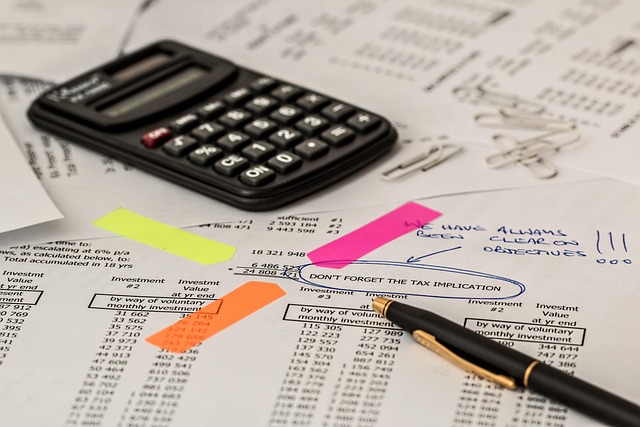
In the realm of real estate, understanding operational and maintenance expenses (O&M) is crucial for significantly impacting overall ownership cost. These costs, often overlooked, can make or break a property’s financial viability. A deep dive into O&M reveals a complex web of variables—from routine repairs to major system overhauls. For instance, consider a mid-sized commercial building; annual O&M expenditures typically range from 2% to 5% of the property’s value, with costs escalating for older facilities.
Expert analysis suggests that efficient management practices can slash these expenses by 10-20%. Regular, proactive maintenance, such as scheduled inspections and preventive care, significantly reduces costly emergency repairs. For example, a study by the National Association of Property Managers found that properties implementing digital maintenance tracking systems saw a 15% reduction in O&M costs over two years. Furthermore, optimizing energy usage through smart building technologies can substantially lower utility bills, enhancing overall cost-efficiency.
Real estate investors and owners must also consider the impact of location. Urban areas with high property values often present higher O&M costs due to increased service demands and labor rates. Conversely, rural or suburban properties might benefit from lower expenses but could face challenges in securing timely maintenance services. Actionable advice includes detailed budgeting, vendor negotiations, and leveraging technology for efficient work order management. Regular reviews of O&M strategies are essential to adapt to changing market conditions and property-specific needs.
Long-Term Financial Strategies for Optimal Returns

Long-term financial strategies are pivotal for maximizing returns on real estate investments, an aspect often overlooked by casual investors. A prudent approach involves a blend of strategic planning, market understanding, and tactical execution. For instance, a study by the National Association of Real Estate Investors revealed that over a 20-year period, annualized total return on commercial real estate averaged 10.5%, surpassing S&P 500 returns by approximately 7%. This underscores the potential for substantial long-term wealth creation in the sector.
One key strategy is asset allocation. Diversifying across property types—residential, commercial, industrial—mitigates risk and enhances stability. For instance, a balanced portfolio might allocate 40% to residential, 30% to commercial, and 30% to industrial properties, based on market trends and individual risk tolerance. Additionally, focusing on cash-flowing assets ensures regular income streams, vital for sustainable returns over time. According to a recent report by CREI (Commercial Real Estate Investment Association), 85% of investors ranked cash flow as the most important factor in their investment decisions.
Expert advice often emphasizes the importance of holding properties for an extended period. Historically, real estate has proven resilient during economic downturns, with values recovering and surpassing pre-recession levels within a decade on average. Therefore, adopting a long-term perspective, avoiding impulsive decisions based on short-term market fluctuations, is beneficial. Regular property assessments and adjustments to strategies are crucial, but patience and discipline are equally important.