Real estate ownership involves significant hidden costs beyond initial purchase, including property taxes, unpredictable maintenance, and insurance. To mitigate these expenses, conduct thorough research, budget proactively, and consult professionals. Key strategies for minimizing real estate costs include energy efficiency, regular maintenance, cost optimization, tax incentives, and alternative financing. Implementing these practices enhances financial resilience in a competitive market.
The real estate industry, a cornerstone of global economies, faces a significant challenge: managing ownership costs that continually escalate. This article delves into the multifaceted impacts of rising costs on property owners, exploring how they strain budgets and limit accessibility. We dissect the contributing factors, from market dynamics to maintenance expenses, that collectively burden homeowners and investors alike. Furthermore, we preview an innovative solution that leverages data-driven insights and strategic partnerships to mitigate these costs, offering a promising path towards more sustainable real estate ownership.
Understanding Hidden Costs in Real Estate Ownership

The real estate journey often begins with excitement, but it’s essential to recognize that ownership comes with a myriad of costs beyond initial purchase prices. Understanding these hidden expenses is crucial for prospective buyers to make informed decisions and develop realistic budgets. Many factors contribute to the overall cost of owning property, some of which can significantly impact financial health. For instance, property taxes vary widely across regions, affecting long-term affordability. In 2022, the average effective property tax rate in the United States was approximately 1.18%, yet local rates can range from less than 0.5% to over 2.5%, depending on the area.
Maintenance and repairs are another substantial consideration. Real estate naturally accrues wear and tear over time, leading to various expenses, from minor fixes like roof repairs to major renovations such as kitchen remodels. According to a National Association of Home Builders (NAHB) report, homeowners spend an average of 1% of their home’s value annually on maintenance and repairs. For a $300,000 property, this equates to $3,000—a substantial amount that can vary based on the age and condition of the property. Moreover, insurance costs, which are non-negotiable, include hazard insurance, homeowners’ liability coverage, and potentially flood or earthquake protection, depending on the location.
To mitigate these hidden costs, buyers should conduct thorough research and factor in a contingency fund for unexpected expenses. Regularly reviewing and budgeting for potential maintenance needs can help prevent financial strain. Additionally, consulting with real estate professionals who can offer insights into local market dynamics and property-specific cost considerations is invaluable. By proactively addressing these aspects, prospective homeowners can ensure they are fully prepared for the long-term commitment and financial responsibilities associated with real estate ownership.
Analyzing Factors That Drive Significant Cost Impacts
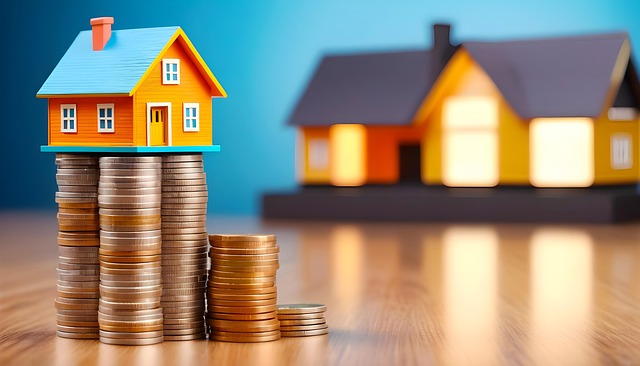
The overall ownership cost of real estate properties is significantly influenced by a myriad of factors, each playing a pivotal role in shaping the financial landscape for property owners. These factors encompass not just direct costs such as purchase price and maintenance expenses but also indirect costs like tax burdens and insurance premiums. Understanding these drivers is crucial for both prospective buyers and existing property holders seeking to optimize their investments.
One key factor is location, which has a profound impact on real estate values. Properties in urban centers or desirable suburban areas often command higher prices due to factors like strong local economies, quality schools, and convenient access to amenities. For instance, according to recent market reports, housing prices in major metropolitan regions have been steadily rising, outpacing national averages. Conversely, properties in remote or less developed areas may face challenges related to low property values and limited service availability, leading to higher ownership costs relative to their potential return on investment.
Another significant aspect is the age and condition of the property itself. Older real estate naturally incurs higher maintenance costs due to the wear and tear of infrastructure and systems over time. According to industry experts, homes aged 50 years or more typically require more substantial repairs and upgrades, impacting ownership expenses. Conversely, newer properties often boast energy-efficient features and modern amenities, potentially lowering utility bills for owners in the short to medium term. Regular upkeep and timely renovations are essential practices for property owners aiming to mitigate these costs.
Market dynamics also play a critical role. Real estate is inherently tied to supply and demand forces. In areas with high demand and limited inventory, property prices tend to rise, increasing overall ownership cost. Conversely, glutted markets may experience price declines, providing opportunities for bargain hunters. Staying informed about local market trends and being agile in purchasing decisions can help navigate these fluctuations effectively.
Strategies to Minimize Overall Ownership Expenses in Real Estate
Minimizing overall ownership costs in real estate is a strategic imperative for both individual property owners and investment portfolios. A multifaceted approach encompassing proactive management, efficient operations, and innovative financing strategies can significantly reduce expenses while enhancing asset value. For instance, implementing energy-efficient systems not only lowers utility bills but also attracts eco-conscious tenants or buyers, potentially increasing property desirability and rental rates. According to the U.S. Environmental Protection Agency, buildings that achieve ENERGY STAR certification can save owners up to 30% on heating, cooling, lighting, and water costs.
Regular maintenance and timely repairs are critical components of cost optimization in real estate. Proactive measures such as routine inspections and preventative care can stave off larger, more costly issues down the line. For commercial properties, a well-maintained roof or updated HVAC system can extend their lifespans and preserve substantial investment values. Moreover, negotiating favorable terms with service providers, vendors, and even tenant selection criteria can substantially curb operational expenses. Landlords, for example, may consider offering longer-term leases in exchange for locked-in pricing on services, providing stability and predictability in cash flow.
Leveraging tax incentives and grants available through local, state, or federal programs is another strategic move to minimize real estate ownership costs. Incentives promoting energy efficiency, historic preservation, or affordable housing developments can offset significant expenses and unlock the potential for substantial returns. Additionally, exploring alternative financing options like property assessment appeals, where market value is challenged, or taking advantage of low-interest loans for improvements, can further ease the financial burden on owners. By employing these strategies, real estate investors and individuals alike can navigate today’s competitive market with enhanced financial agility and resilience.